Africa's Agricultural Processing Equipment Platform

Fortune Business Insights Report Maps Cashew Nuts Market Growth, Processing Trends to 2034
Facts and Figures
This story reports a measured change such as 15% and 2034. Figures like this show direction and scale, so it helps to keep them separate from the surrounding commentary.
- Change / rate: 15% Modern automatic cashew nut shelling machine designs now achieve breakage rates below 15%, a marked improvement over manual methods.
- Date / period: 2034 Fortune Business Insights Report Maps Cashew Nuts Market Growth, Processing Trends to 2034 Fortune Business Insights releases a comprehensive cashew nuts market report projecting trends, share, and growth through 2034, spotlighting the…
Global cashew supply chains are navigating a complex landscape of rising demand and processing bottlenecks as a new industry report forecasts market expansion through 2034. The shelf-stable kernel, prized for snacking and ingredient applications, relies on a series of delicate post-harvest steps—from drying and steaming to shelling and peeling—that often determine both profitability and product grade.
The report, titled “Cashew Nuts Market Size, Share, Trends & Growth Report, 2034” by Fortune Business Insights, maps the market’s size, competitive dynamics, and forward-looking trends. It arrives at a time when consumer appetite for plant-based and healthy snacks is reshaping procurement patterns worldwide.
Shifting market fundamentals and supply chain dynamics
Global consumption of cashew kernels has steadily expanded beyond traditional markets in North America and Europe, finding traction in Asia-Pacific and the Middle East. This diversification is placing new demands on origin countries—Côte d’Ivoire, India, Vietnam, and Cambodia chief among them—to scale up processing capacity without sacrificing quality.
Vietnam, already the world’s largest processor, continues to invest in automated shelling lines and grading systems to maintain cost leadership. Meanwhile, African nations are working to capture more value domestically by building modern shelling facilities, a shift that could reconfigure trade flows and reduce reliance on raw nut exports.
Technical and standards implications for cashew shelling
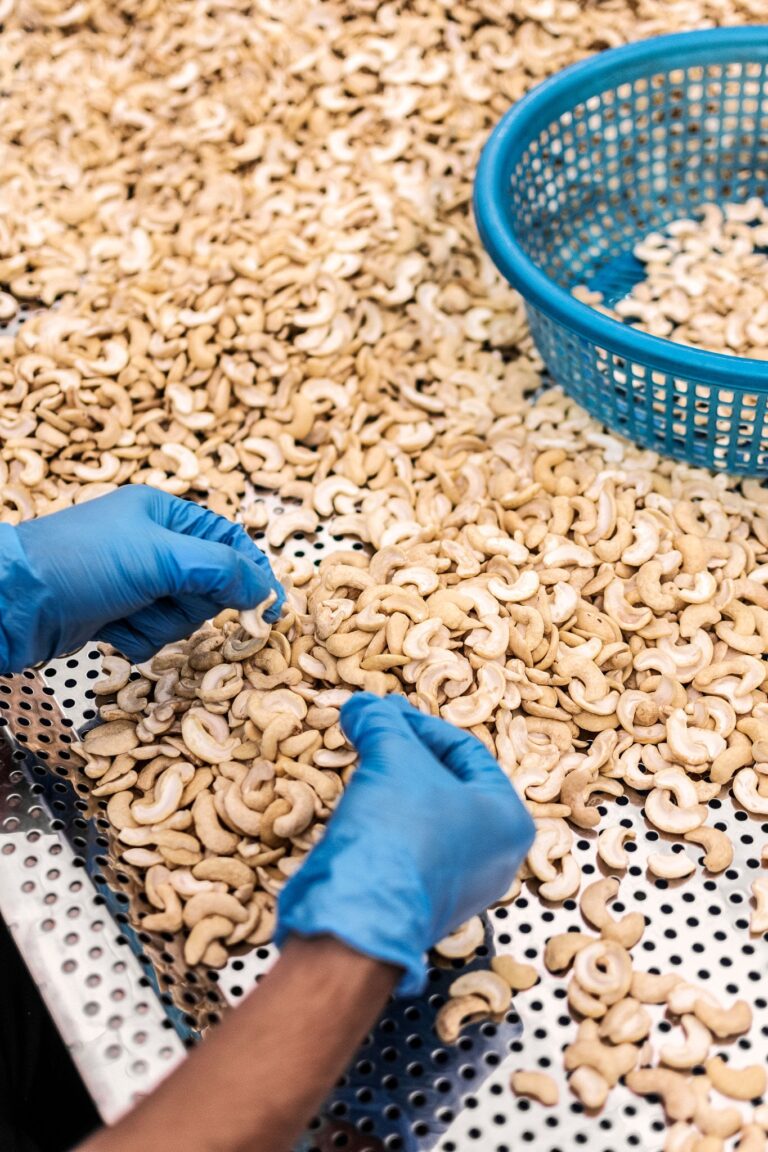
At the heart of market competitiveness lies the shelling process. Whole kernel recovery rates directly influence export prices, making precision machinery a strategic asset. Modern automatic cashew nut shelling machine designs now achieve breakage rates below 15%, a marked improvement over manual methods. These systems integrate moisture conditioning, calibrated cutting blades, and vibration separation to handle varied nut sizes.
Grading standards further intersect with shelling efficiency. Uniform kernel sizing, enabled by a cashew kernel grading machine, ensures that export shipments meet buyer specifications for counts per pound. Such precision reduces downstream rejection risks and supports the market’s push toward automation. The Fortune Business Insights report is expected to highlight how these technical advancements correlate with margin improvements across the value chain.
What to watch next
Processors and traders will monitor several variables that could influence the market’s trajectory to 2034. Climate variability in West Africa, which supplies a large share of raw nuts, remains a supply-side wildcard. On the demand front, food manufacturers’ increasing use of cashew milk, butter, and protein bars is broadening the kernel’s application scope.
Policy shifts, including export curbs on raw nuts by African governments, may accelerate investment in domestic shelling infrastructure. A fully integrated cashew nut shelling processing line that bundles cooking, shelling, and drying into a single facility could become the blueprint for new plants. Observers also expect the report to shed light on organic and fair-trade segments, which command premium pricing but require rigorous traceability.
Broader implications extend beyond the nut aisle. As the cashew market matures, consolidation among processors and the adoption of lean manufacturing principles may mirror what other cash crops have experienced. For industry participants, aligning processing technology with market intelligence will be key to navigating the next decade of growth.
Why This Matters
The report signals a decade of structural shifts for the cashew industry, where efficient shelling and grading can mean the difference between commodity-grade exports and premium revenue. Processors who invest early in automated lines may capture disproportionate value as demand for whole kernels and value-added products rises.
Sources
Source: "cashew shelling" – Google News
FAQ
What are the key figures in this cashew shelling story?
The article cites figures such as 15% and 2034. Numbers like these convey the scale and direction of what happened; for the exact amount and the context around it, the original report is the reference.
What does the reported change in this cashew shelling story mean?
A percentage or rate of change shows direction and momentum, but its meaning depends on the baseline and period being measured. The original report explains what the figure is compared against.
When do the developments in this cashew shelling story take effect?
The dates or periods mentioned here are the reference points for tracking how the situation unfolds. Timelines in early reporting can shift, so the named source is worth checking for updates.
What is this cashew shelling story about?
It summarises a recent development in cashew shelling, drawing on the original reporting. The key facts — who is involved, what changed and any figures or dates attached — are highlighted so the story is quick to grasp.
Why does this cashew shelling development matter?
The significance lies in what it signals: a notable figure, a decision, or a shift that affects the people, places or organisations named. Those are the points worth following as the story continues.
How current is this cashew shelling information?
This article was published on June 29, 2026. News changes quickly, so use it as a starting point and check the named source for later corrections, revised figures or follow-up reporting.